| Best brain foods | Fatty fish, leafy greens, berries, nuts and seeds, eggs, whole grains and olive oil. |
| Why they help | They supply omega-3 fats, antioxidants, B-vitamins, choline and steady, fibre-rich energy. |
| Eat less of | Ultra-processed foods, sugary drinks and refined carbohydrates that spike then crash. |
| The rule | The overall pattern beats any single superfood — consistency is what counts. |
What you put on your plate is one of the most direct levers you have over how clearly you think. The best foods for brain health and memory are not exotic or expensive — they are everyday brain foods that supply the fats, antioxidants and vitamins your brain quietly draws on to build memories, carry signals and stay sharp through a long day. This guide walks through what to eat more of, what to ease off, and how a simple daily plate supports focus and recall.
One reassuring point up front: no single food makes or breaks your memory. It is the overall pattern — what you eat most days, most weeks — that matters. Get the pattern right and you give your brain a steady supply of what it needs.

Though the brain is only about two per cent of your body weight, it uses a large share of your daily energy and is sensitive to the fuel it receives. It relies on specific raw materials: omega-3 fats to build the membranes of brain cells, B-vitamins and choline to make the messengers that carry signals, antioxidants to protect delicate tissue from wear, and a steady stream of glucose for energy. Feed it well and thinking tends to feel smoother; feed it poorly and focus is often the first thing to wobble. If foggy afternoons are a familiar problem, our guide on what causes brain fog and how to clear it naturally pairs well with this one.
Here are the everyday brain foods worth building meals around — described for their general nutritional value, not as treatments for any condition.
Salmon, sardines, mackerel and trout are rich in the omega-3 fatty acids that make up a large part of brain-cell membranes. A couple of servings a week is a simple, well-studied habit. If you do not eat fish, walnuts, flaxseed, chia and algae-based sources offer plant omega-3s.
Spinach, kale, rocket and other greens deliver folate, vitamin K and antioxidants. Diet patterns built around plenty of leafy vegetables are among the most consistently associated with healthy cognition as people age.
Blueberries, blackberries and strawberries are packed with the plant pigments that give them their colour — antioxidants studied for their role in protecting brain tissue. A handful on porridge or yoghurt is an easy daily win.
Walnuts, almonds, pumpkin seeds and sunflower seeds supply healthy fats, vitamin E and minerals like zinc and magnesium. They also make a steadying snack that will not crash your blood sugar the way a biscuit does.
Eggs are one of the best dietary sources of choline, a nutrient the body uses to make acetylcholine — a messenger closely linked to learning and attention. They also provide B-vitamins and quality protein for steady energy.
Oats, brown rice, quinoa, lentils and beans release their energy slowly, keeping blood sugar — and therefore focus — on an even keel. Swapping refined carbohydrates for these is one of the highest-impact changes most people can make.
A cornerstone of the Mediterranean way of eating, olive oil brings healthy monounsaturated fats and antioxidant compounds. Use it as your everyday cooking and dressing fat.

Just as important as what you add is what you crowd out. None of these ruins your memory overnight, but as a regular pattern they work against clear thinking:
You do not need a rigid meal plan — just a repeatable shape to your day:
This is the same pattern that supports steady energy overall, and it dovetails with the habits in our guide on how to improve focus and memory naturally.
Even a good plate can leave gaps on rushed days. MindWake™ brings six studied nootropic actives together in one stimulant-free daily capsule — a simple way to support everyday focus and memory alongside brain-friendly food. Backed by a 60-day money-back guarantee.
See MindWake Packages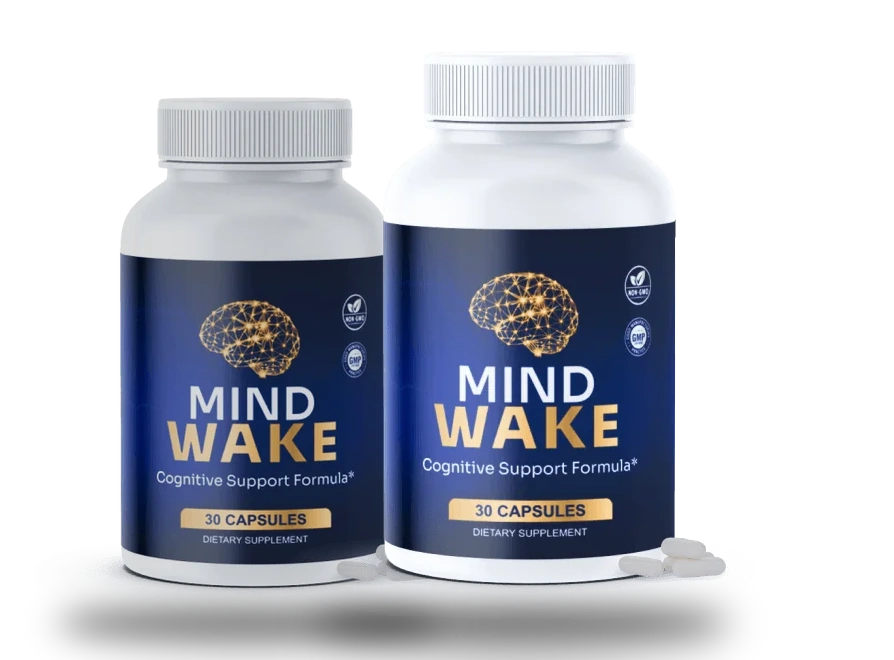
Real-world eating is imperfect. Busy weeks mean skipped vegetables, grab-and-go lunches and less fish than you intended — and those gaps add up. A stimulant-free nootropic is designed to sit alongside a good diet, supplying studied actives the brain draws on without revving up your nervous system. Formulas like MindWake pair recognisable ingredients — Ginkgo Biloba, Phosphatidylserine, Acetyl-L-Carnitine, Bacopa Monnieri, L-Glutamine and Alpha-GPC — in a single once-daily capsule, so the routine is easy to keep. It is support for the gaps, not a replacement for good food. For life-stage-specific needs, our article on why memory changes with age and how to support it is worth a read.
If you look at what makes these foods brain-friendly, the same nutrients keep appearing — omega-3 fats, choline, B-vitamins, antioxidants and amino-acid building blocks. Those are precisely the categories that studied nootropic actives aim to support, which is why food and a well-designed supplement point in the same direction rather than competing. The goal either way is simple: give your brain a steady supply of what it uses to think, focus and remember.
Build the plate in this guide, then add one easy daily capsule to help cover the gaps. Try MindWake risk-free with a 60-day money-back guarantee.
Order MindWake Today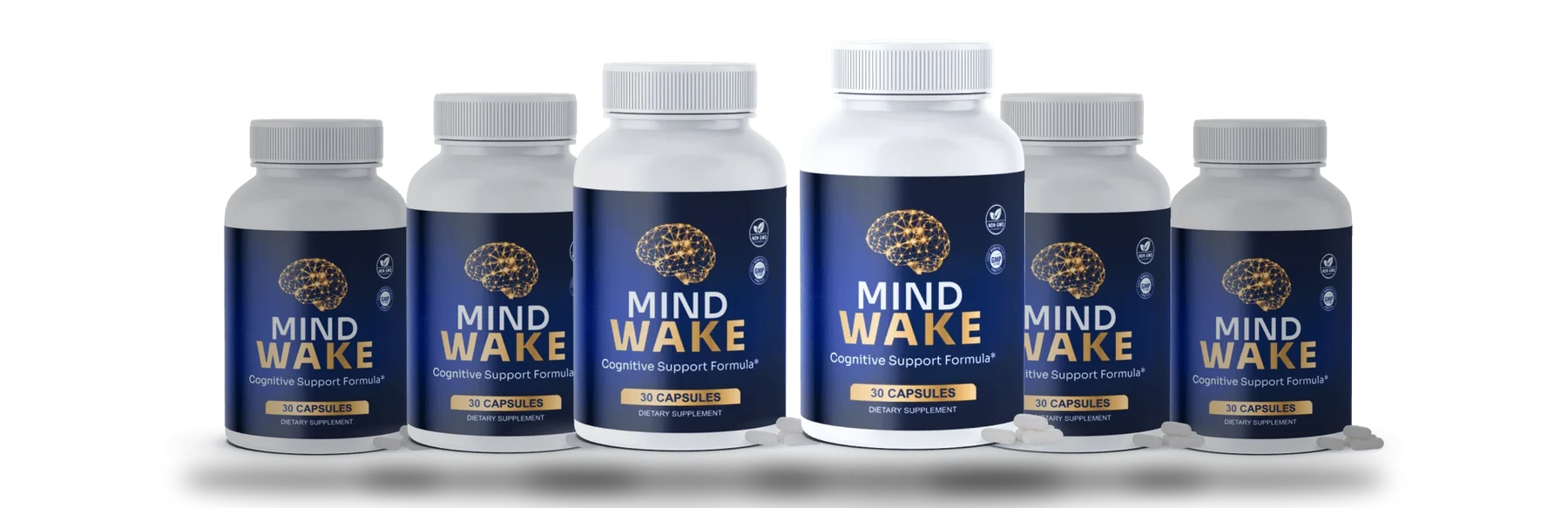
Some of the most reliably brain-friendly foods are fatty fish such as salmon and sardines, leafy greens, berries, nuts and seeds, eggs, whole grains, extra-virgin olive oil, beans and colourful vegetables. Together they supply the omega-3 fats, antioxidants, B-vitamins, choline and steady fibre-rich energy the brain draws on every day. The pattern matters more than any single superfood.
The everyday culprits are heavily processed foods, sugary drinks and refined carbohydrates that spike and crash blood sugar, along with excess alcohol and trans fats. They do not ruin your memory overnight, but as a regular pattern they crowd out the nutrient-dense foods the brain relies on and drive the energy swings that leave you foggy.
Some effects are same-day: steadying your blood sugar with a balanced meal can smooth out an afternoon slump within hours. The bigger benefits of an overall brain-friendly diet build gradually over weeks and months. Consistency beats any single perfect meal, and a daily nootropic can help cover the nutrient gaps a busy diet leaves.
No. A nutrient-dense diet is the foundation, and no supplement replaces it. A daily nootropic is best understood as support for the gaps a real-world diet leaves — a way to give the brain studied actives alongside good food, sleep, movement and hydration.
A common, well-studied habit is a couple of servings of fatty fish such as salmon or sardines each week. If you do not eat fish, plant sources like walnuts, flaxseed, chia and algae-based omega-3s are useful alternatives. As always, fit this within any guidance from your own healthcare professional.
† These statements have not been evaluated by the Food and Drug Administration. This product is not intended to diagnose, treat, cure or prevent any disease. This article is for general information only and is not medical advice. If you are pregnant, nursing, under 18 or taking medication, consult your physician before using any supplement.
 MindWake