| What it is | Brain fog is a symptom — cloudy thinking, poor focus and slow recall — not a disease of its own. |
| What causes it | Poor sleep, stress, dehydration, blood-sugar swings, nutrient gaps and constant task-switching. |
| How to clear it | Fix sleep, hydrate, steady blood sugar, move daily, single-task and eat brain-friendly foods. |
| Where a nootropic fits | Stimulant-free daily support for the nutrients everyday focus draws on. |
If your thoughts feel like they are moving through mud — words on the tip of your tongue, a to-do list you keep re-reading, focus that scatters after lunch — you are describing brain fog. It is not a formal medical diagnosis, but it is a very real, very common experience. The good news is that what causes brain fog is, most of the time, something ordinary and fixable. This guide explains why brain fog happens and, more importantly, how to clear brain fog naturally with daily habits, foods and routines you can start today.
Think of fog as your brain waving a small flag. It is telling you that one or more of its basic needs — rest, fuel, water, calm, movement — is not being met. Read the flag correctly and the fog usually lifts.
“Brain fog” is an everyday phrase for a cluster of symptoms: reduced mental clarity, trouble concentrating, slower recall, a sense of mental fatigue and the feeling that you are working harder than usual to think. Because it is a symptom rather than a condition, it can show up on its own after a rough night, or it can be a signal tied to something else going on in the body.
What it feels like from the inside is fairly consistent: you lose your train of thought mid-sentence, you re-read the same paragraph, simple decisions feel heavier, and by mid-afternoon you would rather nap than concentrate. None of this means anything is broken. In most cases it means the conditions your brain needs to run well have slipped.
Rarely is there a single villain. More often, several small causes stack up until you notice the effect. Here are the usual suspects behind everyday brain fog.
Sleep is when the brain consolidates memories and clears metabolic waste that builds up while you are awake. Miss out on deep sleep — or fragment it with late screens, alcohol or an irregular schedule — and next-day focus, mood and recall all take the hit. Sleep debt is probably the single most common driver of fog. If you want to go deeper, see our guide on how sleep affects your memory and focus.
A little pressure sharpens you; relentless pressure does the opposite. When stress stays switched on, the body keeps cortisol elevated, and that steady drip nudges you toward distraction and away from calm, sustained attention. Many people describe their foggiest days as also their most stressful ones. Our article on how stress affects your memory and focus covers this in detail.
The brain is mostly water, and even mild dehydration can dull attention and short-term memory. It is one of the easiest causes to overlook — and one of the fastest to fix. If your fog tends to arrive when you have had three coffees and no water, this may be your lever.
A breakfast of refined carbohydrates sends blood sugar up fast and then drops it just as quickly, and that crash often lands as an hour of foggy, irritable low energy. Steady fuel keeps thinking steady.
The brain draws on specific nutrients to build the messengers that carry signals between cells. A rushed, repetitive or heavily processed diet can leave gaps in the raw materials focus and memory depend on — gaps you may not feel as hunger, but as haze.
Every time you flick between a document, an inbox and a notification, your brain pays a small switching cost. Do it hundreds of times a day and the bill arrives as scattered, foggy attention. What feels like multitasking is usually rapid, tiring toggling.
Hormonal shifts (including perimenopause and menopause), recovery from illness, and some medications can all contribute to a foggy patch. Natural age-related changes play a role too — something we explore in why memory changes with age and how to support it.

Because fog usually has more than one cause, clearing it works best as a short stack of habits rather than a single fix. Start with the levers that move the most.
For the bigger picture on building these into a routine, our practical guide on how to improve focus and memory naturally pulls the habits together in one place.
What you eat shapes how you think. A brain-friendly plate leans on fatty fish, leafy greens, berries, nuts and seeds, eggs, whole grains and plenty of colourful vegetables — foods that supply the omega-3 fats, antioxidants and B-vitamins the brain uses every day. Just as useful is what you cut back on: heavily processed snacks, sugary drinks and the refined carbohydrates that drive the spike-and-crash cycle. For a full plate-by-plate breakdown, see the best foods for brain health and memory.
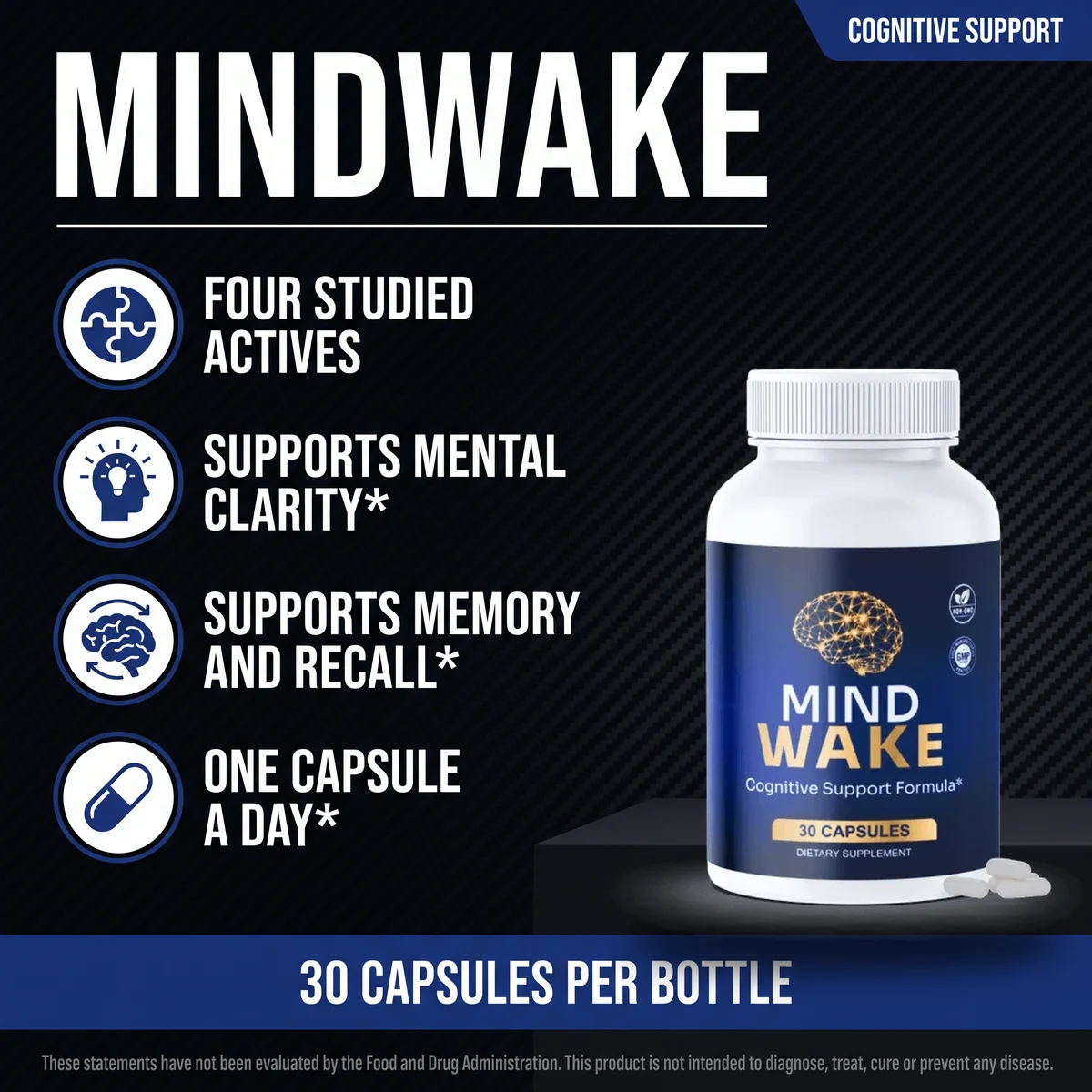
MindWake™ combines six studied nootropic actives in one stimulant-free daily capsule — a simple way to help cover the nutrient gaps a busy, foggy life leaves behind. Backed by a 60-day money-back guarantee.
See MindWake Packages
Even a good diet can leave gaps, and certain nutrients are closely associated with the processes behind clear thinking. These are the studied actives most often found in cognitive-support formulas, described by their traditional and general use rather than as treatments for any condition:
You can see exactly which studied actives sit inside MindWake — recognisable, well-researched ingredients rather than a vague “proprietary” blend.
Coffee pushes you hard for a couple of hours and then hands you the bill as an afternoon crash — which, for many people, is when the fog rolls in. A stimulant-free nootropic works differently: instead of revving up your nervous system, it supplies nutrients the brain draws on so support builds quietly in the background, with no jitters and no crash. The practical appeal of a once-daily capsule is that it removes friction — no powder, no stack, no measuring. The best supplement is simply the one you will actually take every day.
Most brain fog is lifestyle-driven and lifts once the basics are back in place. But some fog deserves a proper look. See a healthcare professional if it comes on suddenly, is severe or steadily worsening, or arrives alongside confusion, numbness, vision changes, severe headaches, or memory loss that disrupts daily life. Persistent fog can also relate to thyroid, blood-sugar, sleep or mood conditions, or to medications — all things a clinician can assess. Supplements and habits support a healthy brain; they are not a substitute for medical care.
Pair the fundamentals in this guide with one easy daily capsule and let studied actives do the quiet work. Try MindWake risk-free with a 60-day money-back guarantee.
Order MindWake Today
Brain fog is a symptom rather than a diagnosis, and it usually traces back to everyday causes: broken or too-little sleep, ongoing stress, dehydration, blood-sugar swings from refined carbohydrates, gaps in nutrients the brain relies on, and the constant task-switching that screens encourage. Hormonal shifts, illness recovery and certain medications can add to it. Because several small triggers often stack together, clearing brain fog usually means addressing more than one at a time.
Start with the basics that do the heaviest lifting: protect a consistent sleep schedule, drink water before your next coffee, pair carbohydrates with protein and fibre to steady blood sugar, move your body most days, and single-task instead of juggling. Daylight in the morning, short breaks and a nutrient-dense diet help too. For the gaps a busy life leaves, a stimulant-free daily nootropic built on studied actives can add support.
It depends on the cause. Fog driven by one bad night or dehydration can lift within a day of fixing it. Fog built up over weeks of poor sleep, stress or skipped meals usually takes a few weeks of consistent habits to clear. Nutritional support, including a daily nootropic, is best judged over four to eight consistent weeks.
See a healthcare professional if brain fog comes on suddenly, is severe, keeps getting worse, or arrives with symptoms such as confusion, numbness, vision changes, severe headaches or memory loss that disrupts daily life. Persistent fog can also relate to thyroid, blood-sugar, sleep or mood conditions, or to medications, which a clinician can assess. This article is general information, not medical advice.
A nootropic is best understood as everyday support for a healthy brain, not a cure for fog. It supplies studied nutrients the brain draws on, and it works best alongside the habits above — good sleep, hydration, steady blood sugar, movement and single-tasking. Give a daily routine four to eight consistent weeks before judging how you feel.
† These statements have not been evaluated by the Food and Drug Administration. This product is not intended to diagnose, treat, cure or prevent any disease. This article is for general information only and is not medical advice. If you are pregnant, nursing, under 18 or taking medication, consult your physician before using any supplement.
 MindWake