| The short bursts | A little stress can sharpen you — it is meant to. |
| The problem | Chronic stress keeps cortisol elevated, scattering attention and fogging recall. |
| The knock-on | Stress disrupts sleep, and poor sleep raises stress — a self-feeding loop. |
| What helps | Movement, slow breathing, sleep, time outdoors, connection and single-tasking. |
Ever noticed that your most forgetful, scattered days tend to be your most stressful ones? That is not a coincidence. How stress affects your memory and focus is one of the clearest mind-body links there is: the same system that helped our ancestors react to danger can, when it never switches off, quietly undermine the calm, steady attention that everyday work and memory depend on. This guide explains why chronic stress fogs your thinking — and the daily habits and routines that help calm a stressed mind.
The aim here is not to eliminate stress, which is neither possible nor desirable. It is to keep stress in the useful, short-burst range and out of the always-on range where it starts to cost you clarity.
Stress is not inherently the enemy. A short burst — a looming deadline, a big presentation — sharpens attention and can help you rise to the moment. The problem is duration. When pressure never lets up, the body keeps its stress response switched on, and what was a helpful spike becomes a steady, draining hum. That is the version of stress that works against memory and focus.
When stress persists, the body keeps the hormone cortisol elevated. Over time, that steady drip makes several things harder:
Many people experience this as classic brain fog. If that fuzzy, can’t-quite-think feeling is familiar, our guide on what causes brain fog and how to clear it naturally covers the wider set of triggers.
Stress rarely acts alone. One of its most damaging tricks is disrupting sleep: a racing mind at bedtime means less of the deep, restorative sleep the brain needs to consolidate memory and reset. Poor sleep, in turn, makes you more reactive to stress the next day — and the loop tightens. Breaking it usually means working on both ends at once, which is why our article on how sleep affects your memory and focus pairs so naturally with this one.

You do not need a retreat in the mountains. A handful of small, repeatable habits does the most to lower the background stress that scatters attention:
These habits reinforce the broader routine in our guide on how to improve focus and memory naturally.
Long-term habits do the heavy lifting, but you also need tools for the spike itself — the moment before a difficult call, or when your mind goes blank mid-task. These in-the-moment resets take under two minutes and can pull your attention back:
None of these solves the underlying pressure, but each buys you a calmer minute — and stringing calmer minutes together is how a stressful day stays workable rather than derailing your focus completely. Used regularly, they also make the bigger habits above easier to keep.
MindWake™ combines six studied nootropic actives — including Bacopa Monnieri, traditionally associated with calm, steady focus — in one stimulant-free daily capsule. No jitters, no crash, just everyday support while you manage the stress itself. Backed by a 60-day money-back guarantee.
See MindWake Packages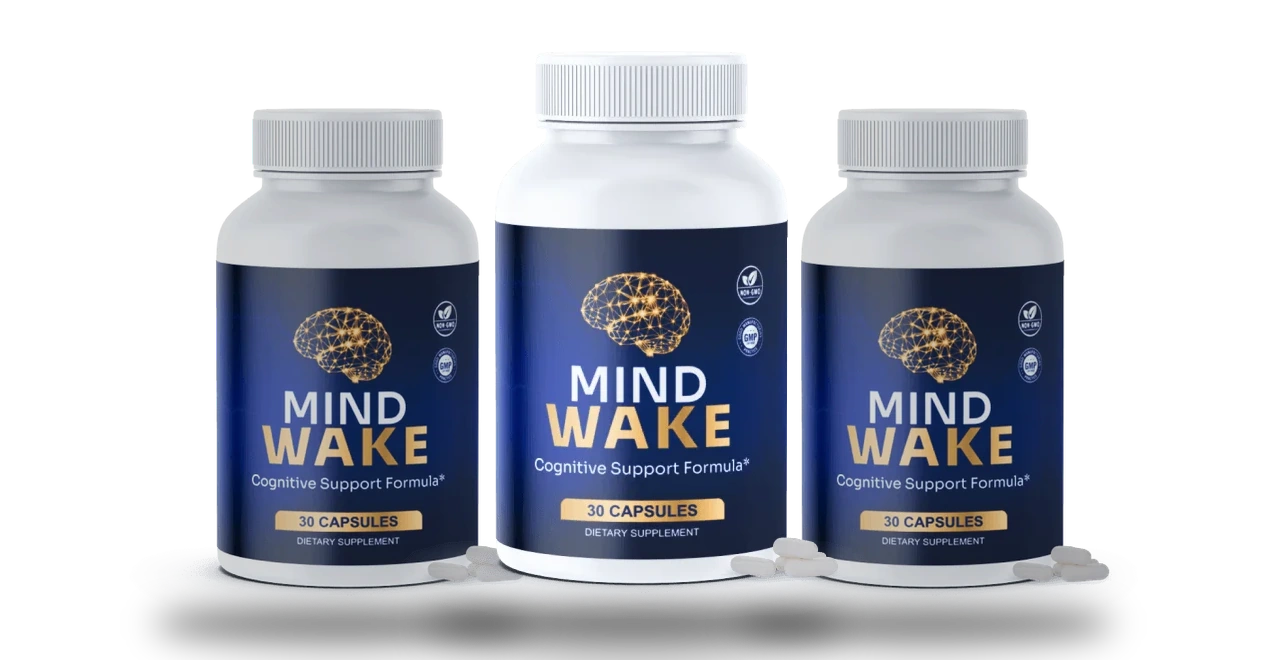
When you are stressed, reaching for another coffee often backfires — caffeine can amplify the jittery, wired edge of stress and disrupt the sleep you badly need. A stimulant-free nootropic takes a different route: rather than revving up an already-revved nervous system, it supplies nutrients the brain draws on, so it supports focus without adding to the stress load. Formulas like MindWake bring together Ginkgo Biloba, Phosphatidylserine, Acetyl-L-Carnitine, Bacopa Monnieri, L-Glutamine and Alpha-GPC in one once-daily capsule. It is everyday support that sits alongside stress-lowering habits — not a treatment for stress or anxiety.
Everyday stress responds well to lifestyle changes, but stress that feels unmanageable, persistent low mood, anxiety that interferes with daily life, or memory problems that worry you all deserve a conversation with a healthcare professional. There is no prize for white-knuckling it, and effective support exists. Supplements and habits support a healthy, resilient mind; they are not a substitute for medical or mental-health care.
Layer the stress-lowering habits in this guide over one simple daily capsule of studied actives. Try MindWake risk-free with a 60-day money-back guarantee.
Order MindWake Today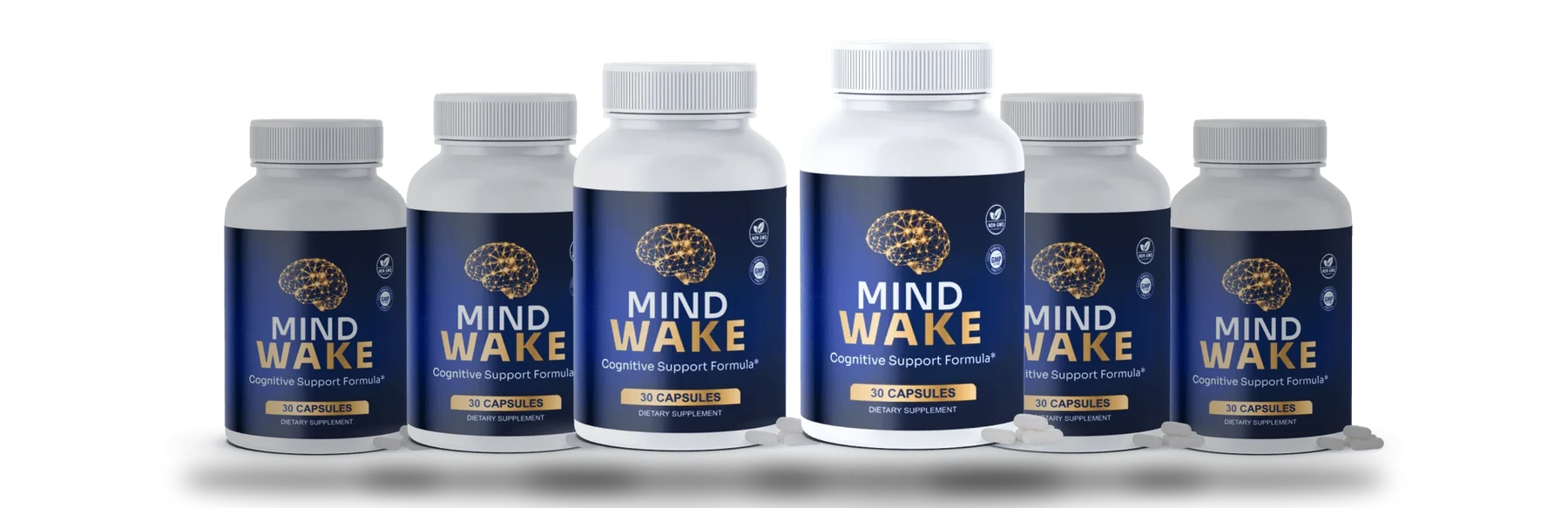
Short bursts of stress can sharpen attention, but ongoing stress does the opposite. When the body keeps the stress hormone cortisol elevated, it becomes harder to hold information in working memory, to concentrate for long, and to recall details on demand. Chronic stress also disrupts sleep and pushes you toward distraction, so its effects on focus and memory tend to compound over time.
Yes. Many people notice their foggiest, most forgetful stretches line up with their most stressful ones. Stress narrows attention, disrupts sleep and drains mental energy, all of which can leave you feeling hazy and misplacing names, keys and trains of thought. Easing the stress usually helps the fog lift.
The most reliable habits are regular movement, slow breathing or brief mindfulness, protecting your sleep, time outdoors, staying connected to people, single-tasking rather than juggling, and limiting stimulants and doom-scrolling. None is dramatic on its own, but together they lower the background stress that scatters attention and fogs recall.
A stimulant-free nootropic is not a treatment for stress or anxiety, but some studied actives — such as Bacopa Monnieri — are traditionally associated with calm, steady focus, and a stimulant-free formula supports attention without adding the jitters that caffeine can. It works best alongside stress-lowering habits, good sleep and nutrition.
Caffeine stimulates the same nervous-system arousal that stress already ramps up, so on a stressful day it can amplify the jittery, wired feeling and, later, disrupt your sleep. Keeping caffeine to the morning — and leaning on a stimulant-free approach for steadier focus — avoids pouring fuel on the fire.
† These statements have not been evaluated by the Food and Drug Administration. This product is not intended to diagnose, treat, cure or prevent any disease. This article is for general information only and is not medical advice. If you are pregnant, nursing, under 18 or taking medication, consult your physician before using any supplement.
 MindWake