| Why it matters | Sleep is when the brain consolidates memories and clears metabolic waste. |
| What a bad night does | Foggy focus, slower recall and more mistakes the next day. |
| How much | Most adults do best on seven to nine consistent hours. |
| Biggest lever | A regular bed and wake time — consistency beats the occasional long lie-in. |
If you want to understand why some days you think clearly and others you cannot hold a thought, start with last night. How sleep affects your memory and focus is one of the most direct relationships in all of brain health: sleep is not downtime, it is when a huge amount of the brain’s essential maintenance and memory work gets done. This guide explains what happens to memory while you sleep, why a bad night fogs the next day, and the daily habits that help you sleep for a sharper mind.
Most of us treat sleep as the thing we trim when life gets busy. But of all the levers over focus and recall, it is arguably the one that gives back the most for the least effort — because when it comes to memory, sleep is where the real work happens.
During the night your brain cycles through stages, and each does distinct work for the mind. In deep (slow-wave) sleep, the brain consolidates memories — replaying and strengthening what you learned during the day and moving it toward more lasting storage. This is also when the brain does much of its housekeeping, clearing metabolic waste that accumulates during waking hours. In REM sleep, the brain works on emotional processing and the loose, creative connections that help you solve problems and see patterns.
Skip or fragment these stages and you interrupt the very processes that turn a busy day of input into usable memory. That is why cramming without sleep so often backfires, and why a good night after learning something new helps it stick.
A single short or broken night has visible next-day costs: attention drifts, reaction times slow, working memory shrinks, and small errors creep in. You also tend to lean harder on caffeine, which can start a spike-and-crash cycle that makes the afternoon worse. Poor sleep is one of the most common everyday causes of the fuzzy, can’t-quite-think feeling — something we unpack in what causes brain fog and how to clear it naturally.
Stretch a few bad nights into weeks and the effects compound. Chronic short sleep is linked with poorer concentration, low mood and a harder time forming new memories. It also tangles with stress: poor sleep raises stress reactivity, and stress in turn worsens sleep — a loop we cover in how stress affects your memory and focus.

For most adults, seven to nine hours is the sweet spot. But quantity is only half the story — consistency is the other. Going to bed and waking at similar times, even on weekends, stabilises your body clock and improves the quality of the sleep you do get. Regularly running on less than seven hours is one of the clearest predictors of foggy, unfocused days, and no amount of coffee fully substitutes for the maintenance a full night provides.
Good sleep is built during the day as much as at night. These habits do the heaviest lifting:
These slot neatly into the broader routine in our guide on how to improve focus and memory naturally.
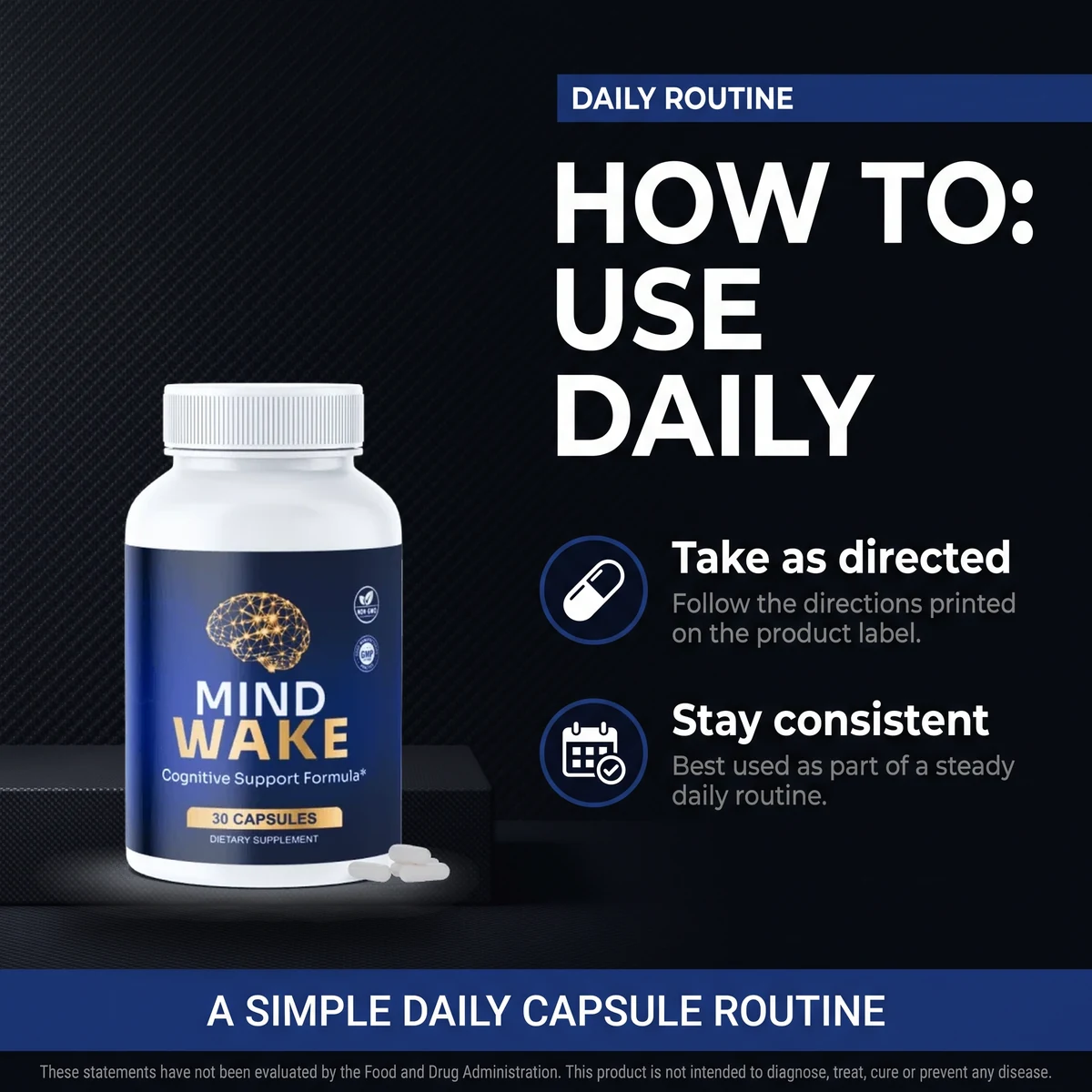
MindWake™ is a stimulant-free daily capsule built on six studied nootropic actives — so it supports everyday focus without the late-day caffeine that keeps you up. A simple daytime habit while you protect your nights. Backed by a 60-day money-back guarantee.
See MindWake Packages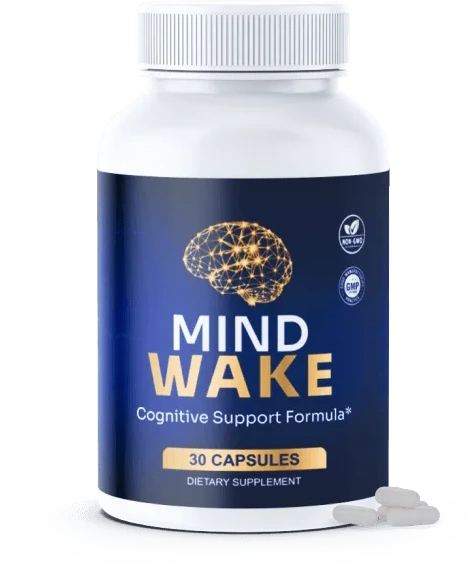
When sleep is the problem, reaching for stronger coffee often makes it worse — the afternoon cup that carries you through the slump can quietly sabotage that night’s sleep, feeding the loop. A stimulant-free nootropic works differently: instead of revving up your nervous system, it supplies nutrients the brain draws on, so there are no jitters and nothing to keep you up. Formulas like MindWake bring together Ginkgo Biloba, Phosphatidylserine, Acetyl-L-Carnitine, Bacopa Monnieri, L-Glutamine and Alpha-GPC — studied actives associated with everyday memory and focus — in one once-daily capsule. It is daytime support, not a sleep aid, and it is best paired with genuinely better nights.
If you consistently sleep enough hours but still wake unrefreshed, snore heavily, gasp or stop breathing in your sleep, or battle long-running insomnia, it is worth speaking to a healthcare professional — conditions like sleep apnoea are common, treatable and easy to miss. Persistent daytime fog despite good sleep habits also deserves a proper look. Supplements and lifestyle changes support healthy sleep and thinking; they are not a treatment for sleep disorders.
Protect your sleep with the habits above, and give your daytime focus one simple studied-actives capsule. Try MindWake risk-free with a 60-day money-back guarantee.
Order MindWake Today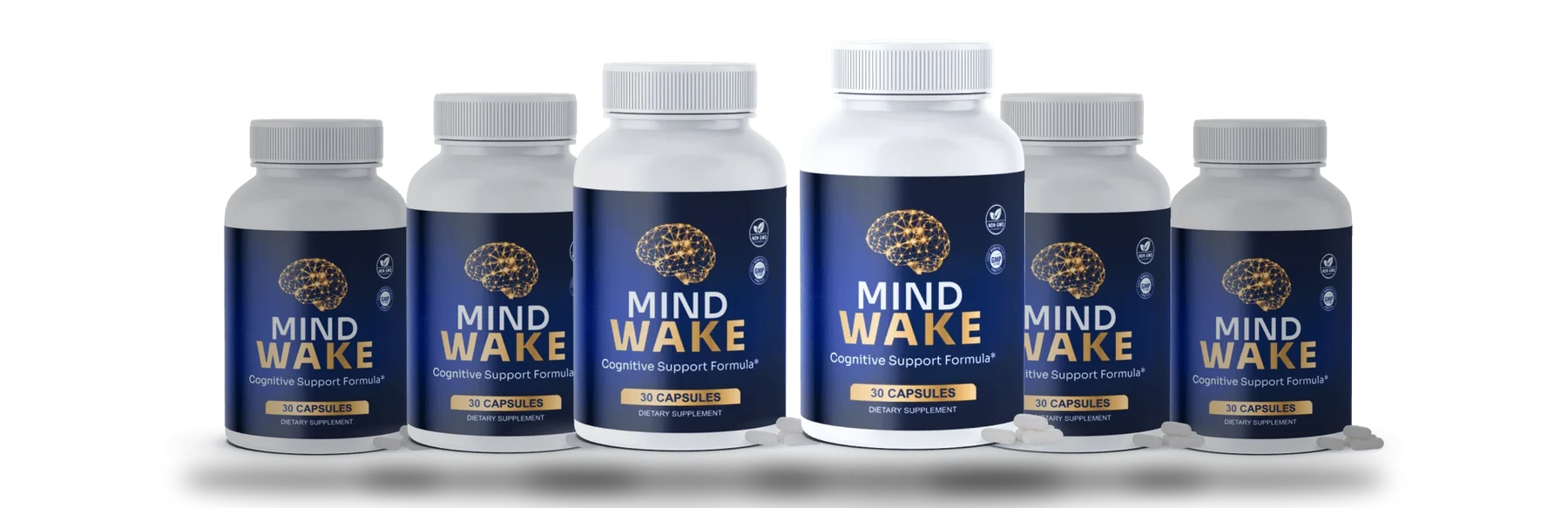
Sleep is when the brain consolidates memories — moving what you learned during the day into more lasting storage — and clears metabolic waste that builds up while you are awake. Deep sleep supports fact and skill memory, while REM sleep helps with emotional processing and creative connections. Short or broken sleep undercuts both, which is why a bad night shows up the next day as poor focus, slower recall and more mistakes.
Most adults do best on seven to nine hours a night. Consistency matters as much as quantity: going to bed and waking at similar times, even on weekends, helps stabilise your body clock and improves the quality of the sleep you get. Regularly sleeping less than seven hours is one of the most common everyday causes of foggy, unfocused days.
You can recover somewhat from a single short night with a good night afterwards, but you cannot fully bank or repay chronic sleep debt with weekend lie-ins. Erratic weekend sleep can even disrupt your body clock further. A steady, consistent schedule beats a pattern of shortfalls followed by catch-up marathons.
A stimulant-free nootropic does not replace sleep, but it can offer daytime support for the nutrients focus draws on while you work on your sleep habits. Because it contains no stimulants, it will not keep you up the way an afternoon coffee can. The lasting fix for sleep-related fog, though, is protecting your sleep itself.
For many people, yes — the bright, engaging screen in the last hour before bed can delay sleepiness and fragment sleep. Dimming lights and putting screens away well before bed is one of the simplest ways to improve sleep quality, and better sleep translates directly into clearer next-day focus.
† These statements have not been evaluated by the Food and Drug Administration. This product is not intended to diagnose, treat, cure or prevent any disease. This article is for general information only and is not medical advice. If you are pregnant, nursing, under 18 or taking medication, consult your physician before using any supplement.
 MindWake