| What is normal | Slower recall, needing a moment to learn new things, occasional misplaced keys. |
| Why it happens | Gradual changes in how brain cells communicate, plus decades of lifestyle factors. |
| Good news | Much of how memory ages tracks with habits you control — at any age. |
| What helps | Movement, sleep, brain-friendly food, staying social and mentally active, and studied nutrients. |
Reaching for a word that will not come, walking into a room and forgetting why, taking a beat longer to learn a new app — if these feel more frequent than they used to, you are noticing a normal part of getting older. Understanding why memory changes with age is reassuring, because most of what we notice in our 40s, 50s and beyond is ordinary, and a surprising amount of it is influenced by daily habits within our control. This guide explains what normal age-related memory changes look like, why forgetfulness creeps in, when to pay closer attention, and how to support your memory naturally.
The headline is an encouraging one: your brain stays adaptable throughout life. It is never too early — or too late — to give it the conditions it needs to stay sharp.
Ageing brings gradual, mostly gentle changes to the brain. The speed at which brain cells communicate can slow a little, blood flow may change, and the brain becomes somewhat less efficient at quickly learning brand-new information or juggling several things at once. This is why retrieving a familiar name can take an extra moment, or why an unfamiliar task feels more effortful than it once did.
Crucially, not all memory ages the same way. The knowledge and vocabulary you have built over a lifetime often stay strong or even keep growing, while the speed of processing new information tends to slow. So the experience is less “losing your memory” and more “a slightly slower search engine” — the files are there; retrieval just takes a beat longer.
Layered on top of biology are decades of lifestyle factors — sleep, activity, diet, stress, hearing and social connection — which is exactly why habits matter so much to how we age.
Distinguishing ordinary changes from warning signs brings peace of mind. Normal age-related change generally looks like:
Signs that deserve a healthcare professional’s attention include repeatedly forgetting recently learned information, getting lost in familiar places, struggling with once-familiar tasks, trouble following a conversation, or changes that family members notice and that interfere with everyday living. If any of these ring true, please book a check-up — this article is general information, not a diagnosis.

Research consistently points to the same everyday levers — and the reassuring part is that they are within reach at any age:
For a practical way to assemble these into a routine, see our guide on how to improve focus and memory naturally.
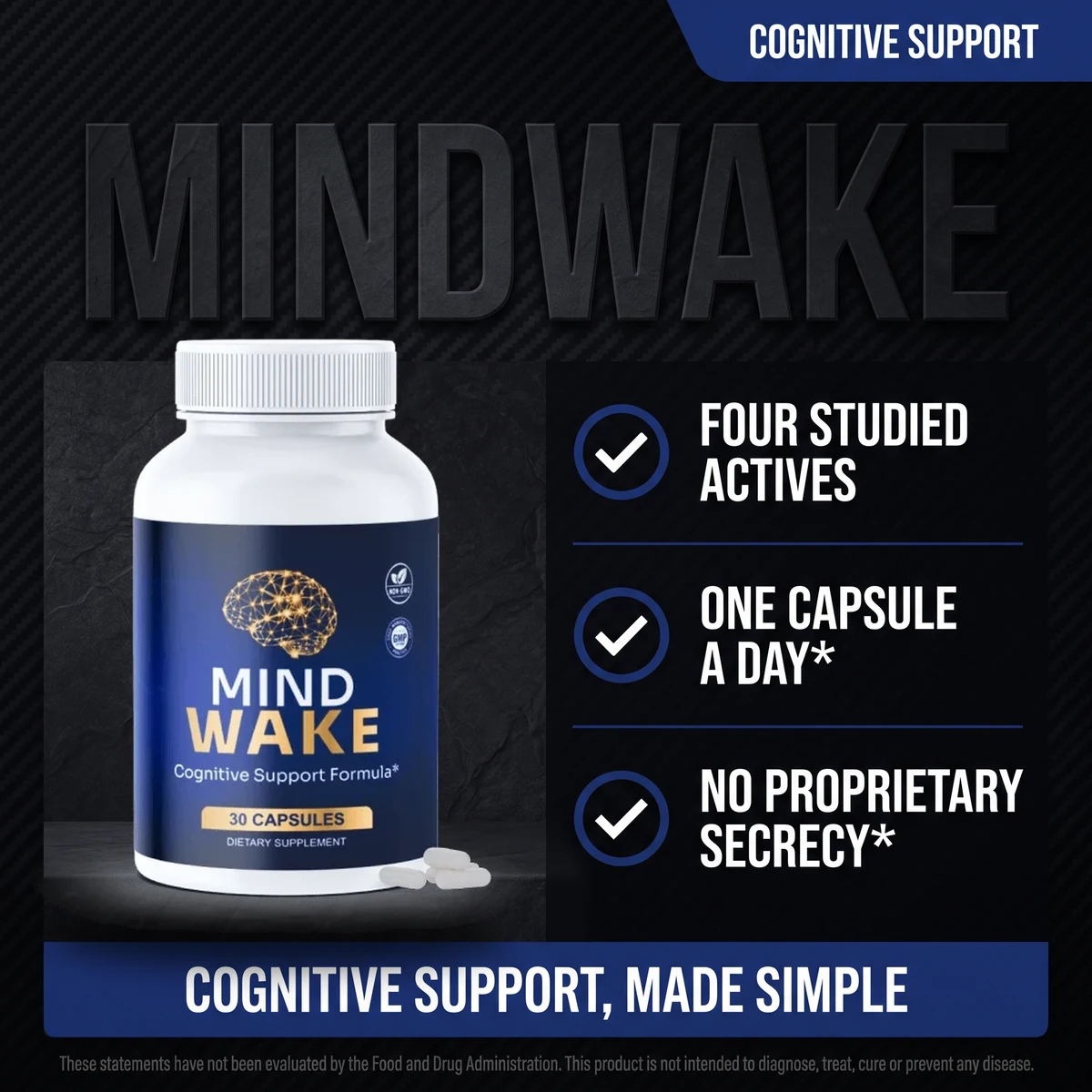
MindWake™ brings six studied nootropic actives — including Ginkgo Biloba, Phosphatidylserine and Acetyl-L-Carnitine — together in one stimulant-free daily capsule. A simple way to support everyday memory and clarity alongside the habits that matter most. Backed by a 60-day money-back guarantee.
See MindWake Packages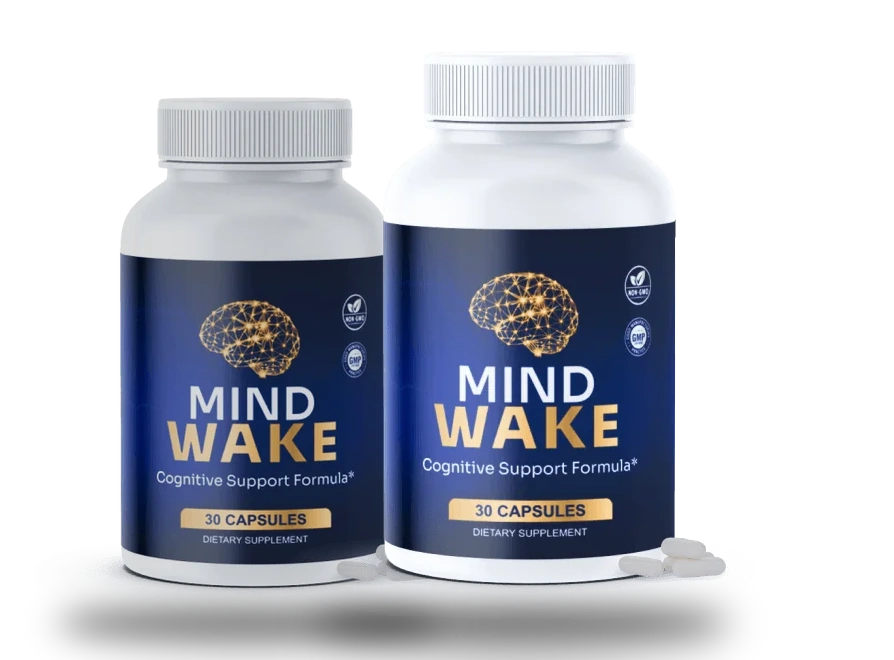
Certain studied actives are closely associated with the processes behind memory and clear thinking. Described by their traditional and general use rather than as treatments for any condition, these include:
You can see exactly which studied actives sit inside MindWake — recognisable, well-researched ingredients rather than a vague blend. A daily nootropic is best understood as everyday support for a healthy brain, working alongside the lifestyle habits that do the heaviest lifting.

Perhaps the most encouraging finding in brain-health research is how responsive the brain remains to good habits at every age. The changes that come with getting older are real, but they are not the whole story — the choices you make each day meaningfully shape how your memory ages. Start with one habit this week, add another next week, and let a simple daily routine build support over time.
Pair the habits in this guide with one easy studied-actives capsule and let daily consistency do the quiet work. Try MindWake risk-free with a 60-day money-back guarantee.
Order MindWake Today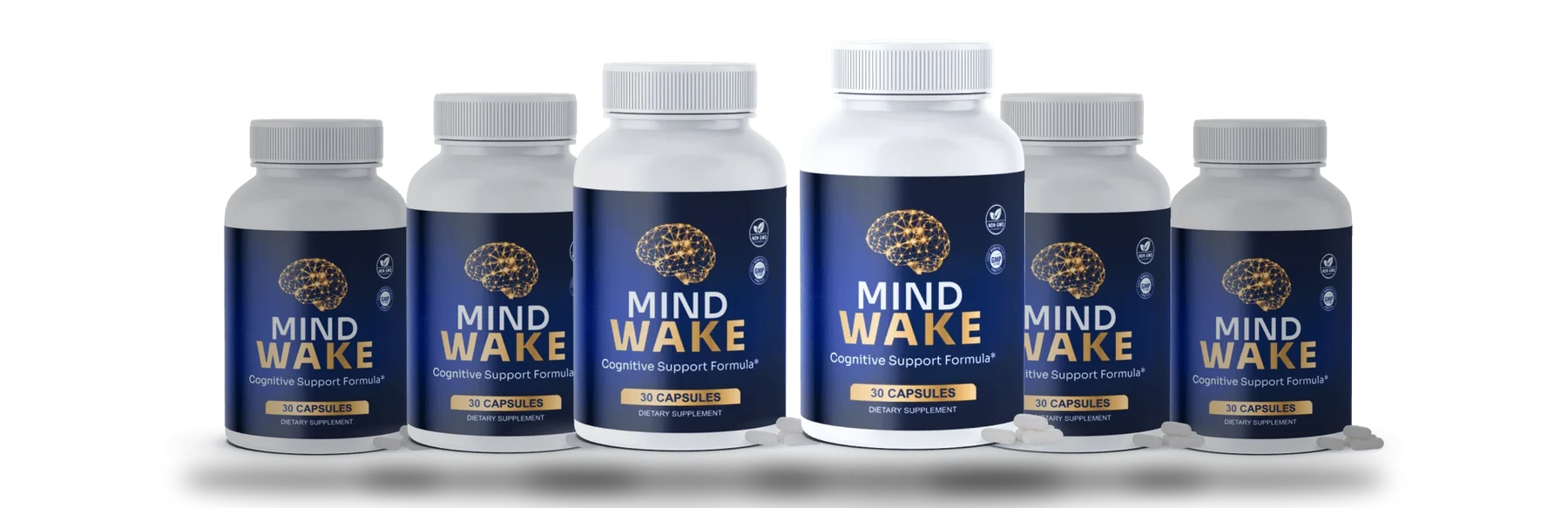
As we age, some processing naturally slows: retrieving a name or learning something brand new can take a little longer, and multitasking gets harder. This reflects gradual changes in how brain cells communicate and in blood flow, along with lifestyle factors that accumulate over decades — sleep, activity, diet and stress. Occasional forgetfulness that does not disrupt daily life is a normal part of ageing, not a disease.
Normal age-related change looks like occasionally misplacing keys, forgetting a name and remembering it later, or needing a moment longer to learn something new — while still managing daily life independently. Warning signs that deserve a doctor’s attention include forgetting recently learned information repeatedly, getting lost in familiar places, struggling with familiar tasks, or changes noticed by family that interfere with everyday living.
Yes. A large share of how our memory ages tracks with everyday habits: regular movement, good sleep, a brain-friendly diet, managing stress, staying socially and mentally active, and protecting hearing and vision. These are within your control at any age, and it is never too early or too late to start. A daily nootropic can add nutritional support alongside them.
Studied actives such as Ginkgo Biloba, phosphatidylserine and Acetyl-L-Carnitine have a long history of traditional use and ongoing research into supporting memory and healthy cognitive function. They are best understood as everyday support for a healthy brain rather than a treatment, and they work best alongside the lifestyle habits that matter most as we age.
See a healthcare professional if memory problems disrupt daily life, if you or your family notice a clear change from your usual self, or if you get lost in familiar places, repeatedly forget recent information, or struggle with once-familiar tasks. Many causes of memory change — including thyroid, sleep, mood, vitamin and medication issues — are treatable, so a check-up is worthwhile.
† These statements have not been evaluated by the Food and Drug Administration. This product is not intended to diagnose, treat, cure or prevent any disease. This article is for general information only and is not medical advice. If you are pregnant, nursing, under 18 or taking medication, consult your physician before using any supplement.
 MindWake