| The link | Your brain is about three-quarters water, so even mild dehydration can dull focus and memory. |
| How little it takes | Losing just 1–2% of body weight in fluid is enough to affect attention and mood. |
| Early signs | Poor concentration, dull headache, tiredness, irritability and dark urine — thirst comes late. |
| The fix | Spread fluids across the day, eat water-rich foods, and use pale urine as your guide. |
Of all the reasons your thinking might feel foggy, one of the most common is also the easiest to fix: you simply have not had enough to drink. It is a surprising idea, because we rarely connect a wandering mind to a water bottle. Yet dehydration affects focus and memory more than most people realise, and it can creep in long before you feel genuinely thirsty. Understanding the link — and building a few easy hydration habits — is one of the highest-return, lowest-effort things you can do for a sharper mind.
This guide explains why a thirsty brain struggles to concentrate, the early signs of dehydration to watch for, how much fluid you really need, and where good hydration sits alongside the other habits and nutrients that support everyday focus and recall.
The brain is roughly 75 per cent water, and it depends on a steady fluid balance to work well. Water keeps your blood volume up so oxygen and nutrients reach brain cells, helps carry away metabolic waste, and maintains the delicate chemical environment your neurons signal in. When you fall behind on fluids, all of those processes come under mild strain — and because the brain is so sensitive, concentration and short-term memory are often the first things to feel it.
What is striking is how little it takes. Research consistently finds that losing just one to two per cent of your body weight in fluid — a level of dehydration you can reach on an ordinary busy day without noticing — is enough to measurably reduce attention, slow reaction time, weaken working memory and sour your mood. That is well before the dramatic symptoms most people associate with dehydration. In other words, you do not have to be parched for a thirsty brain to cost you focus.
Dehydration does not only blunt attention; it also tends to lower mood and raise the odds of a dull, nagging headache. Both of those make sustained concentration harder in their own right, so the effect compounds: you feel a little off, a little heavy-headed, and a little less able to settle into deep work. It is easy to blame the afternoon or the workload when the real culprit is an empty glass.
The tricky thing about dehydration is that its early signals are quiet and often mental rather than obviously physical. By the time you feel genuinely thirsty, you are usually already mildly dehydrated — thirst is a lagging indicator, not an early warning. Watch instead for:
If several of these show up together mid-afternoon, a glass or two of water is worth trying before you reach for another coffee. It is a small experiment that often clears the fog faster than you would expect.
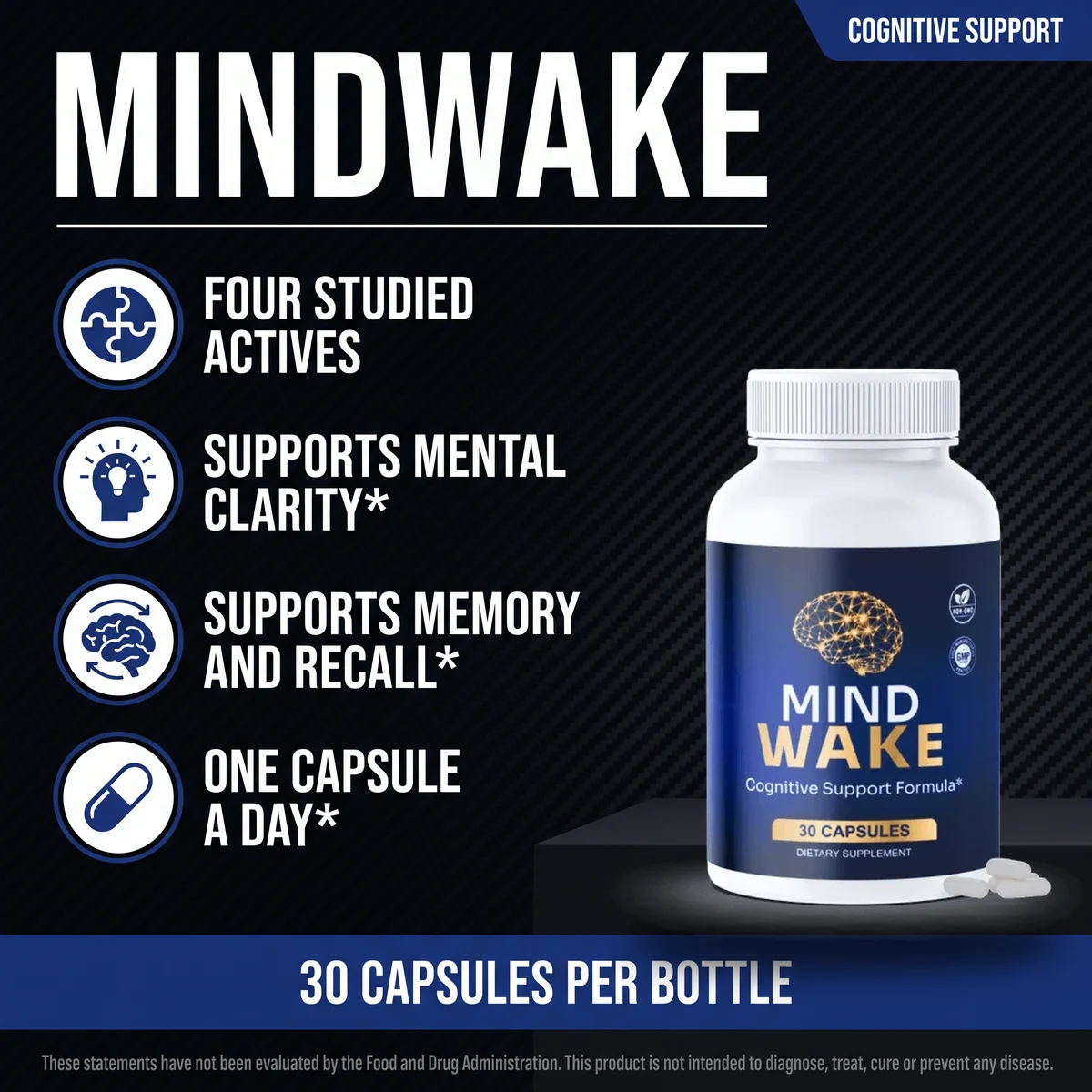
MindWake™ brings six studied nootropic actives together in one stimulant-free daily capsule — built to complement good hydration, sleep and nutrition. Backed by a 60-day money-back guarantee.
See MindWake PackagesThere is no single magic number, and the old “eight glasses” rule is more folklore than science. Common guidance lands around 2 to 3 litres of total fluids a day for most adults, but real needs vary with your body size, how active you are, the climate, and even what you eat. Importantly, total fluids includes more than plain water: most non-alcoholic drinks count, and water-rich foods such as fruit, vegetables, soups and yoghurt contribute a meaningful share too.
Rather than obsessing over a target, use practical signals. Pale-straw urine, steady energy and clear thinking through the afternoon tell you that you are keeping up. Dark urine, a dull head and a drifting mind tell you to top up. And remember that caffeine and alcohol both nudge you toward fluid loss, so a day heavy on coffee needs extra water to balance it.
Hydration is one of several everyday levers for a clearer head. If foggy thinking is a regular problem for you, it is worth reading our companion guide on what causes brain fog and how to clear it naturally, which puts hydration alongside sleep, stress and nutrition.
Water gets your brain to its baseline; good nutrition and studied actives help it do more from there. Even a well-hydrated, well-fed brain can benefit from support covering the gaps a busy diet leaves. Here are two studied actives often found in cognitive-support formulas, described by their traditional and general use rather than as treatments for any condition.

A phospholipid concentrated in brain-cell membranes and studied for its role in supporting memory and healthy cognitive function.

An amino acid the brain uses as a building block for the neurotransmitters that carry signals between brain cells.
A stimulant-free, once-daily nootropic like MindWake is designed to complement — never replace — the foundations of hydration, sleep and good food. Think of it as covering the gaps, not the whole picture.
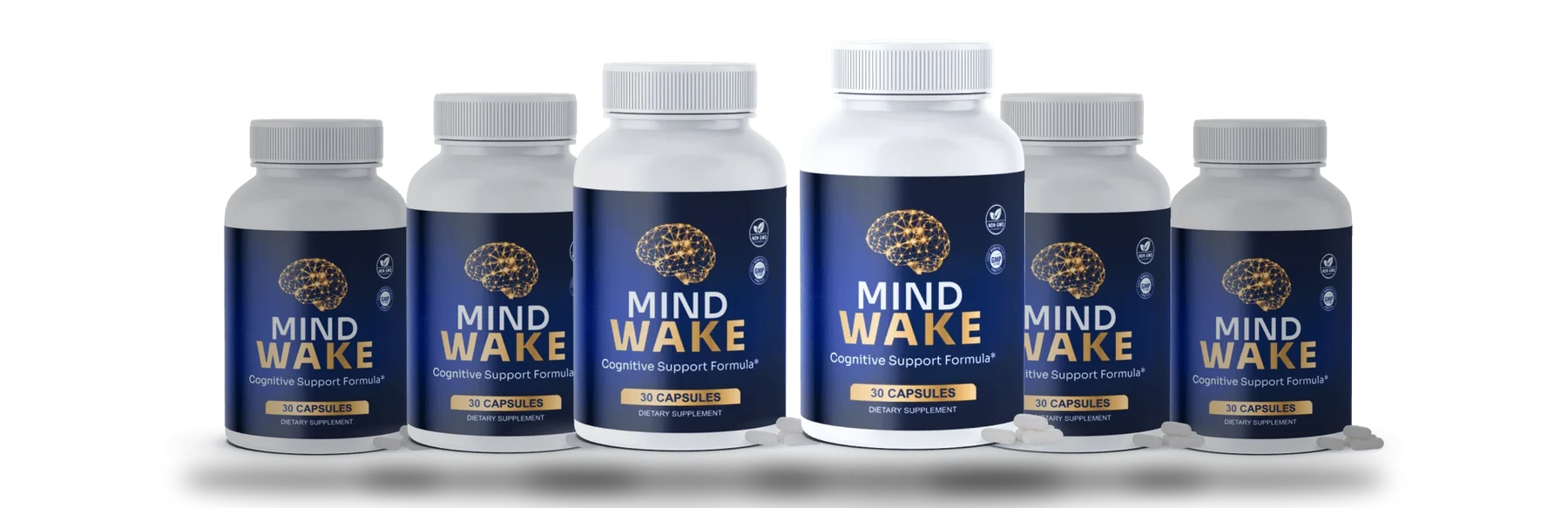
Keep the water flowing and let one easy daily capsule support the rest. Choose a multi-bottle MindWake pack and try it risk-free with a 60-day money-back guarantee.
Order MindWake TodayYour brain is about three-quarters water, so even mild dehydration — a fluid loss of just one to two per cent of body weight — can noticeably dull attention, slow reaction time, weaken short-term memory and worsen mood. Water is needed to keep blood flowing, deliver nutrients and clear waste in the brain, so when you fall behind on fluids, concentration is often one of the first things to slip.
Early signs are easy to miss and often mental as much as physical: trouble concentrating, a dull headache, tiredness, irritability, and darker-than-usual urine. Thirst is a relatively late signal, so if you feel thirsty you are already mildly dehydrated. Paying attention to urine colour — aiming for pale straw rather than dark yellow — is a more reliable everyday guide.
Common guidance is roughly 2 to 3 litres of total fluids a day for most adults, though needs vary with body size, activity, climate and diet. Food with high water content counts, and so do most non-alcoholic drinks. Rather than fixating on a single number, spread fluids across the day and use pale urine and steady energy as your practical targets.
In moderate amounts, the fluid in coffee and tea does contribute to your daily total, and the mild diuretic effect of caffeine is smaller than once thought. That said, relying heavily on coffee is not a good hydration strategy — balance each cup with water, especially on a caffeine-heavy day.
No. Hydration is a foundation that no supplement replaces — a well-hydrated brain is the baseline everything else is built on. A stimulant-free nootropic built on studied actives is designed to complement good hydration, sleep and nutrition by supplying nutrients the brain draws on for everyday focus and memory, not to substitute for a glass of water.
† These statements have not been evaluated by the Food and Drug Administration. This product is not intended to diagnose, treat, cure or prevent any disease. This article is for general information only and is not medical advice. If you are pregnant, nursing, under 18 or taking medication, consult your physician before using any supplement.
 MindWake