| In the moment | Alcohol slows the brain and impairs forming new memories. |
| The next day | It fragments sleep, so you wake foggy and unfocused even without a hangover. |
| The knock-on | Dehydration and blood-sugar dips add to that next-day haze. |
| What helps | Alcohol-free days, smaller amounts, none near bedtime, water and good food. |
A glass of wine to unwind is one of the most normal things in the world — but if you have ever spent the morning after feeling strangely fuzzy despite a full night in bed, you have felt the everyday cost. Understanding how alcohol affects your memory and focus is not about lecturing anyone; it is about seeing clearly why even modest, sociable drinking can quietly dull your thinking the next day, and what simple habits keep your mind sharper. This guide walks through what alcohol does in the moment, why the after-effects linger, and the practical steps that protect a clearer head.
The aim is informed choices, not guilt. Once you can see the trade-off between last night’s drinks and today’s clarity, it becomes much easier to decide what is worth it and what is not.

Alcohol is a depressant, which in this context simply means it slows down communication between brain cells. That slowing is why speech, coordination and judgement all soften after a few drinks. Crucially for memory, alcohol interferes with the brain’s ability to lay down new memories while you are drinking. That is why the recollection of a heavy night can be patchy or missing altogether — the memories were never properly recorded in the first place, not simply forgotten.
Focus takes an immediate hit too. Attention narrows and reaction times lengthen, which is part of why concentrating on anything demanding after drinking feels like wading through treacle.
Here is the part that surprises people most: the biggest cost to your focus often arrives the morning after, and it is largely about sleep. Alcohol can make you drop off quickly, so it feels like it helps you sleep — but it fragments the second half of the night and reduces the deep, restorative and dream sleep the brain relies on to consolidate memory and reset. You may clock the same hours yet wake unrefreshed and foggy.
Because sleep quality is so central to how you think, this next-day effect can be significant even after just a couple of drinks and even when you would never call it a hangover. Our guide to how sleep affects your memory and focus explains exactly why those disrupted hours matter so much for recall and concentration.
Two further culprits pile on:
You do not have to give up alcohol entirely to notice a real difference — though for some that is the right choice. Small, consistent adjustments do a lot:
If clearer thinking is your goal, these adjustments sit naturally alongside the broader routine in our guide to how to improve focus and memory naturally.
MindWake™ combines six studied nootropic actives — including Phosphatidylserine and Ginkgo Biloba — in one stimulant-free daily capsule. It is designed to sit alongside good sleep, hydration and sensible habits, supporting everyday focus and memory without jitters or a crash. Backed by a 60-day money-back guarantee.
See MindWake Packages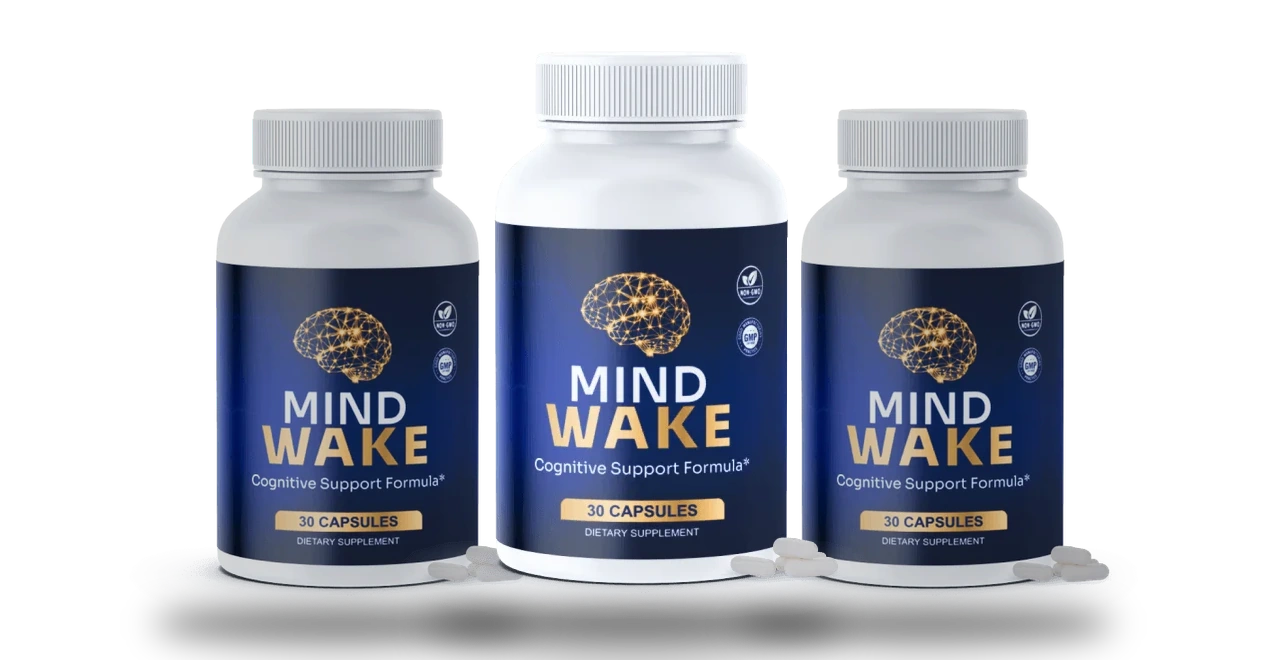
It is easy to blame a foggy day entirely on last night’s drinks, but alcohol usually acts together with the other everyday drains on your mind. Poor sleep, stress, dehydration and skipped meals all compound its effects. When several of these stack up at once, you get the fuzzy, can’t-quite-think feeling we explore in what causes brain fog and how to clear it naturally. The encouraging flip side is that improving any one of them — and cutting back on alcohol is often the easiest to feel — tends to lift the others too.
Let us be clear about what a nootropic is not: it is not a hangover cure, not a remedy for drinking, and it cannot undo alcohol’s effects on the brain. What a stimulant-free formula can do is provide everyday cognitive support that sits alongside sensible drinking, good sleep and hydration — supplying studied actives the brain draws on without the wired-then-crashed pattern of leaning on caffeine to push through a foggy morning. Formulas like MindWake bring together Ginkgo Biloba, Phosphatidylserine, Acetyl-L-Carnitine, Bacopa Monnieri, L-Glutamine and Alpha-GPC in one once-daily capsule. It is support for a busy, balanced life — not a treatment for any condition.
If you find it hard to cut back, if drinking is affecting your work, relationships or health, or if you are worried about your memory, please talk to a healthcare professional. Effective, confidential support exists, and reaching out is a sign of strength, not weakness. Lifestyle habits and supplements support a healthy mind; they are not a substitute for medical care.
Layer a few studied nootropic actives over sensible habits and good sleep. Try MindWake risk-free with a 60-day money-back guarantee.
Order MindWake Today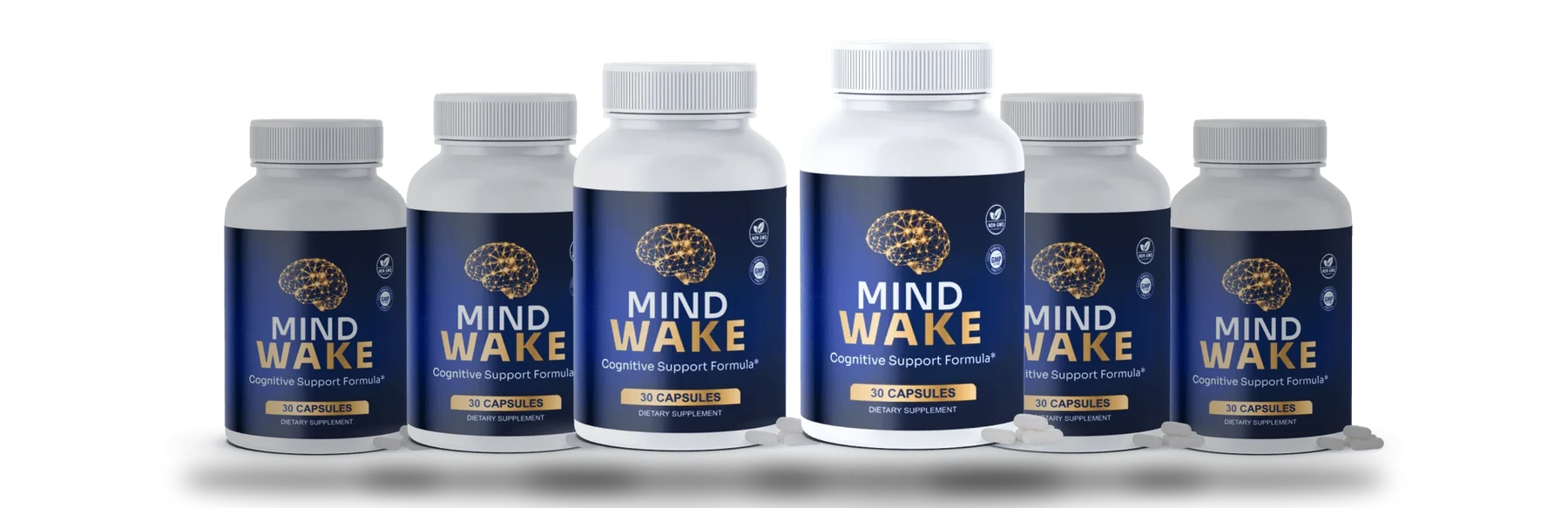
Alcohol is a depressant that slows communication in the brain. In the moment it impairs the formation of new memories, which is why patchy recall of a heavy night is common. It also disrupts the quality of your sleep, so even a couple of drinks can leave you foggy, tired and less able to concentrate the next day, long after the alcohol itself has left your system.
Alcohol fragments sleep, especially the deep and dream sleep the brain uses to consolidate memory and reset. You may sleep the same number of hours but get lower-quality rest, so you wake unrefreshed and foggy. Dehydration and disrupted blood sugar add to that next-day haze even when you would not call it a hangover.
Many people who reduce their drinking report clearer thinking, better sleep and steadier mood within a few weeks. Even small changes — alcohol-free days, smaller amounts, not drinking close to bedtime — can noticeably improve next-day focus. Individual experiences vary.
It can help you fall asleep faster, which is why it feels helpful, but it worsens sleep quality later in the night by reducing deep and dream sleep. The result is less restorative rest and a foggier next day, so alcohol is best kept well away from bedtime if clear thinking matters to you.
No. A stimulant-free nootropic is not a remedy for alcohol or a hangover, and it cannot undo the effects of drinking. It is everyday cognitive support that works best alongside sensible drinking habits, good sleep, hydration and nutrition. If you are concerned about your drinking, speak to a healthcare professional.
† These statements have not been evaluated by the Food and Drug Administration. This product is not intended to diagnose, treat, cure or prevent any disease. This article is for general information only and is not medical advice. If you are pregnant, nursing, under 18 or taking medication, consult your physician before using any supplement.
 MindWake