| The link | Moving your body is one of the most reliable ways to sharpen focus and support memory. |
| Short term | A single walk or workout can lift attention and mood for a couple of hours. |
| Long term | Regular activity is linked with better working memory and a more resilient brain. |
| What helps | Daily walks, a couple of strength sessions, movement breaks and better sleep. |
We tend to file exercise under “good for the body” and forget that the brain is part of the body too. Yet if you want a practical answer to how exercise affects your focus and memory, the short version is striking: movement may be the closest thing there is to a free, side-effect-light way to think more clearly. This guide explains why physical activity sharpens attention and supports recall — and, just as importantly, how much you actually need and the everyday movement habits that make the difference.
The goal is not to turn you into an athlete. It is to help you see movement as a thinking tool — something you reach for on a foggy afternoon the way you might reach for a coffee, only without the crash.

When you move, your heart pumps more blood — and more oxygen and nutrients — to the brain. That immediate boost is part of why a brisk walk can clear a foggy head within minutes. But the deeper story is what happens over weeks and months of regular activity. Consistent movement is associated with a brain that is better supplied, better connected and more resilient to the everyday wear of stress and fatigue.
Exercise also nudges the chemistry that governs mood and alertness. That is why people so often describe feeling calmer and more clear-headed after a workout, and why movement is one of the most consistently recommended habits for managing everyday stress. Because stress scatters attention and fogs recall, anything that reliably lowers it tends to help your memory as a happy side effect.
You do not have to wait months to feel the benefit. A single bout of moderate activity — a 20-minute walk, a short bike ride, a set of stairs — can lift attention and mood for roughly the next hour or two. Many people notice their most focused, creative stretches come right after they move. Practically, that means a walk is not time stolen from a hard task; it is often the fastest way back into it.
This is one of the simplest fixes for the mid-afternoon dip. Rather than reaching for a third coffee, a brief walk outside can reset your attention naturally — a trick we cover in more depth in our guide to what causes the afternoon energy slump and how to beat it.
The longer-term picture is where exercise really earns its reputation as brain food. Regular physical activity is linked with better working memory — the mental scratchpad you use to hold a phone number, follow instructions or keep a train of thought — and with steadier focus across the day. Researchers connect this to the way movement supports the health of brain regions closely involved in learning and memory.
There is also a strong indirect route. Exercise improves the quality of your sleep, and sleep is when the brain does much of its memory housekeeping. If you have ever noticed that active days end in better nights, that is the loop at work. Our article on how sleep affects your memory and focus explains why those restorative hours matter so much.

Here is the reassuring part: far less than most people assume. General public-health guidance points to around 150 minutes of moderate activity a week — think brisk walking, cycling or swimming — plus a couple of sessions that work your muscles. But the single biggest jump in benefit comes from going from nothing to something. If you are largely sedentary, a daily 10–15 minute walk is a genuine upgrade for your focus and mood.
A simple way to build up:
MindWake™ brings together six studied nootropic actives — including Acetyl-L-Carnitine and Ginkgo Biloba — in one stimulant-free daily capsule. It is designed to sit alongside an active lifestyle, supporting everyday focus and memory without jitters or a crash. Backed by a 60-day money-back guarantee.
See MindWake Packages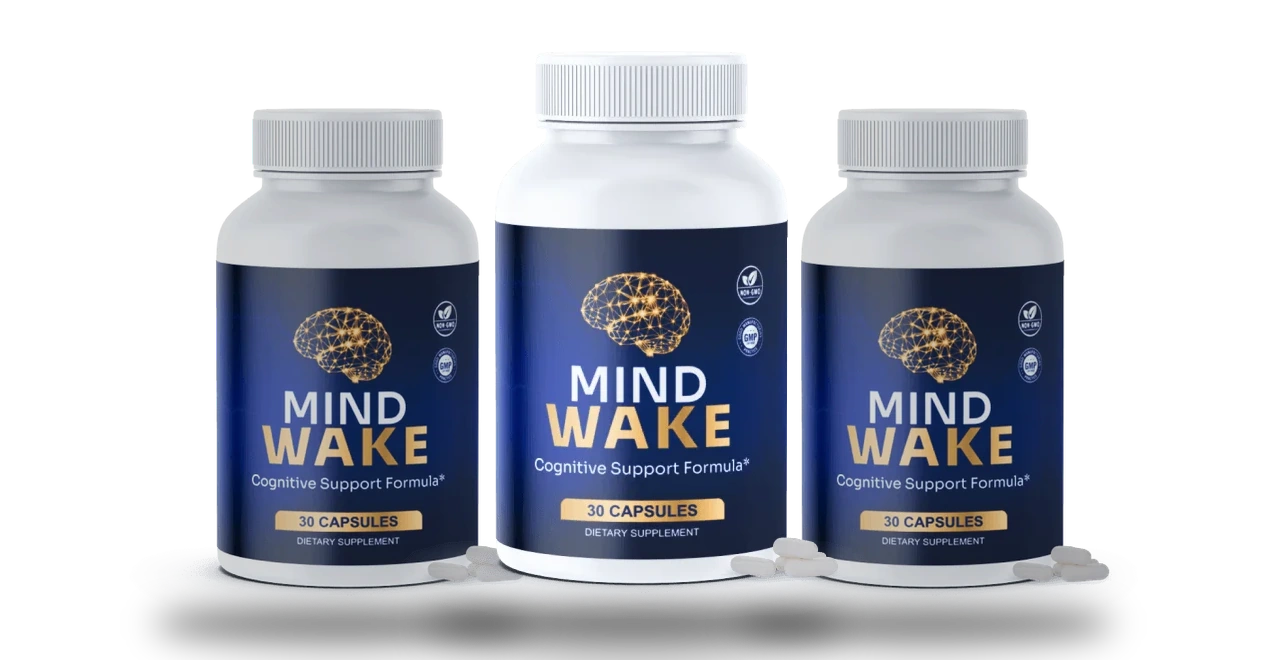
Never underestimate a walk. It is low-impact, requires no equipment, and the combination of gentle movement, daylight and a change of scene is remarkably good at unsticking a foggy mind. A walking meeting or a mid-task loop around the block often does more for a problem than staring harder at the screen.
Anything that raises your heart rate for a sustained stretch — brisk walking, jogging, cycling, dancing, swimming — is strongly associated with brain benefits. This is the category most consistently linked with better memory and attention over time.
Working your muscles is not just for physique. Resistance training supports healthy ageing of both body and brain, and it pairs naturally with the metabolic benefits that keep energy steady. Two short sessions a week is a sensible target.
Yoga, tai chi and similar practices blend gentle movement with breath and attention. They are especially useful if stress is a big driver of your fog, because they train the calm, focused state directly.
As powerful as exercise is, it works best as part of a bigger picture. Hydration, sleep, sensible nutrition and managing stress all pull in the same direction. If you want the full routine, our guide on how to improve focus and memory naturally ties the habits together, and our overview of the best foods for brain health and memory covers the plate that fuels an active brain. Even something as simple as staying hydrated matters — a point we make in how dehydration affects your focus and memory.
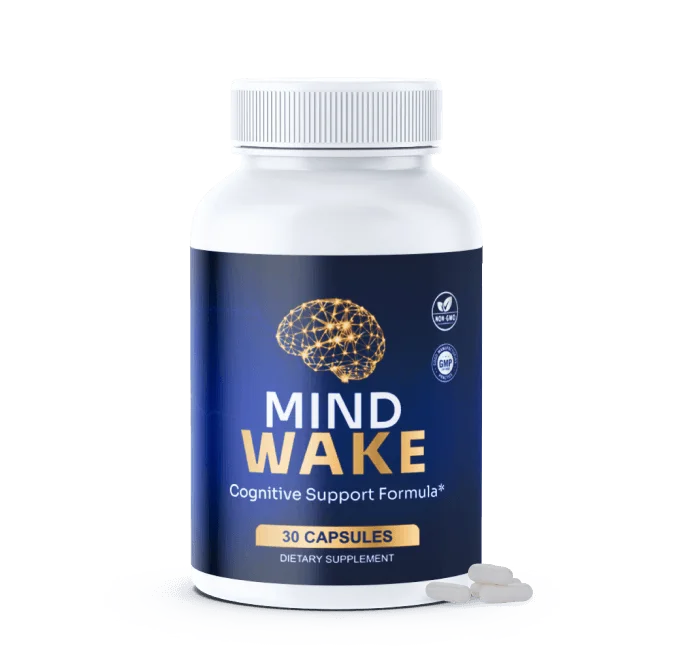
Movement, sleep and food do the heavy lifting; a nootropic is everyday support layered on top. When you are already active, a stimulant-free formula can supply studied actives the brain draws on — without the wired-then-crashed feeling that comes from leaning on caffeine. Formulas like MindWake combine Ginkgo Biloba, Phosphatidylserine, Acetyl-L-Carnitine, Bacopa Monnieri, L-Glutamine and Alpha-GPC in one once-daily capsule. It is support for an active, busy mind — not a replacement for the movement itself, and not a treatment for any condition.
The most common mistake is going too hard, too soon, and quitting within a fortnight. Aim for the smallest routine you are confident you can keep — a ten-minute walk after lunch is a perfect start — and let it grow. Momentum, not intensity, is what turns exercise into a lasting habit that keeps your mind sharp. If ongoing tiredness is getting in the way of even gentle movement, it may be worth reading our guide to the signs of mental fatigue and how to recover first.
Layer a few studied nootropic actives over an active daily routine. Try MindWake risk-free with a 60-day money-back guarantee and support your focus and memory the everyday way.
Order MindWake Today
Movement increases blood flow to the brain and, over time, is associated with a stronger, more resilient brain. In the short term, a single bout of activity can lift attention and mood for a couple of hours. Over weeks and months, regular exercise is linked with better working memory, sharper focus and steadier mental energy. It also improves sleep and lowers stress, both of which support memory in their own right.
You do not need to train like an athlete. General guidance points to about 150 minutes of moderate activity a week, such as brisk walking, plus a couple of strength sessions. But the biggest jump in benefit comes from going from nothing to something, so even short daily walks count. Consistency matters far more than intensity for everyday focus and memory.
There is no single best time — the best time is the one you will actually keep. Many people find a morning walk sets a clearer, calmer tone for the day, while others use a short midday walk to break the afternoon slump. If you struggle with sleep, keep very intense sessions away from late evening.
Yes. A brisk 10–20 minute walk raises blood flow, lifts mood and gives your attention a genuine reset, which is why so many people return to a hard task sharper afterwards. It is one of the simplest, most reliable ways to clear a foggy afternoon without reaching for more caffeine.
No. Nothing replaces movement, sleep and good nutrition. A stimulant-free nootropic is everyday support that sits alongside those habits, supplying studied actives the brain draws on. It works best layered on top of an active lifestyle, not instead of one.
† These statements have not been evaluated by the Food and Drug Administration. This product is not intended to diagnose, treat, cure or prevent any disease. This article is for general information only and is not medical advice. If you are pregnant, nursing, under 18 or taking medication, consult your physician before using any supplement or starting a new exercise programme.
 MindWake