| The link | Your gut and brain talk to each other constantly — the gut-brain axis. |
| The problem | An irritated or poorly fed gut can add to a foggy, low-energy feeling. |
| The overlap | Poor diet, stress and bad sleep hit the gut and the brain at the same time. |
| What helps | Fibre, fermented foods, healthy fats, hydration and less ultra-processed food. |
“A gut feeling.” “Butterflies in your stomach.” “I can’t stomach it.” Our language has always hinted at a connection between the belly and the mind — and it turns out the everyday intuition is right. Understanding how gut health affects your brain and focus is one of the more surprising pieces of the cognitive-wellness puzzle, and it starts with the fact that your digestive tract and your brain are in constant conversation. This guide explains the gut-brain connection in plain terms and, more usefully, the everyday foods and habits that support both.
None of this is about chasing a perfect diet or a trendy supplement. It is about recognising that what you feed your gut shows up in how clearly you think — and that a few simple, sustainable choices go a long way.
The gut and the brain are linked by a busy two-way network sometimes called the gut-brain axis. Signals travel between them through nerves, hormones and immune messengers — and, importantly, through the vast community of microbes that live in your digestive tract. This community, the gut microbiome, is influenced daily by what you eat, and it in turn influences things like mood and energy that shape how well you focus.
The traffic runs both ways. A stressed or anxious mind can upset the gut — hence those butterflies before a big event — and, in the other direction, an unsettled or poorly fed gut can add to the low, foggy feeling that makes concentration hard work. Because the two are so entangled, it rarely makes sense to think about one without the other.
Most people have noticed that they think poorly when their stomach is off, or after a run of heavy, processed meals. There are a few everyday reasons a struggling gut can drag on your mind:
If that fuzzy, can’t-quite-think feeling is familiar, it is worth reading our broader guide to what causes brain fog and how to clear it naturally, because the gut is usually one of several overlapping triggers rather than the whole story.

The good news is that a gut-friendly diet and a brain-friendly diet look almost identical — so you get two benefits from one set of habits. The theme is variety and whole foods, not restriction:
For a fuller menu, our roundup of the best foods for brain health and memory overlaps heavily with this list — which is exactly the point.
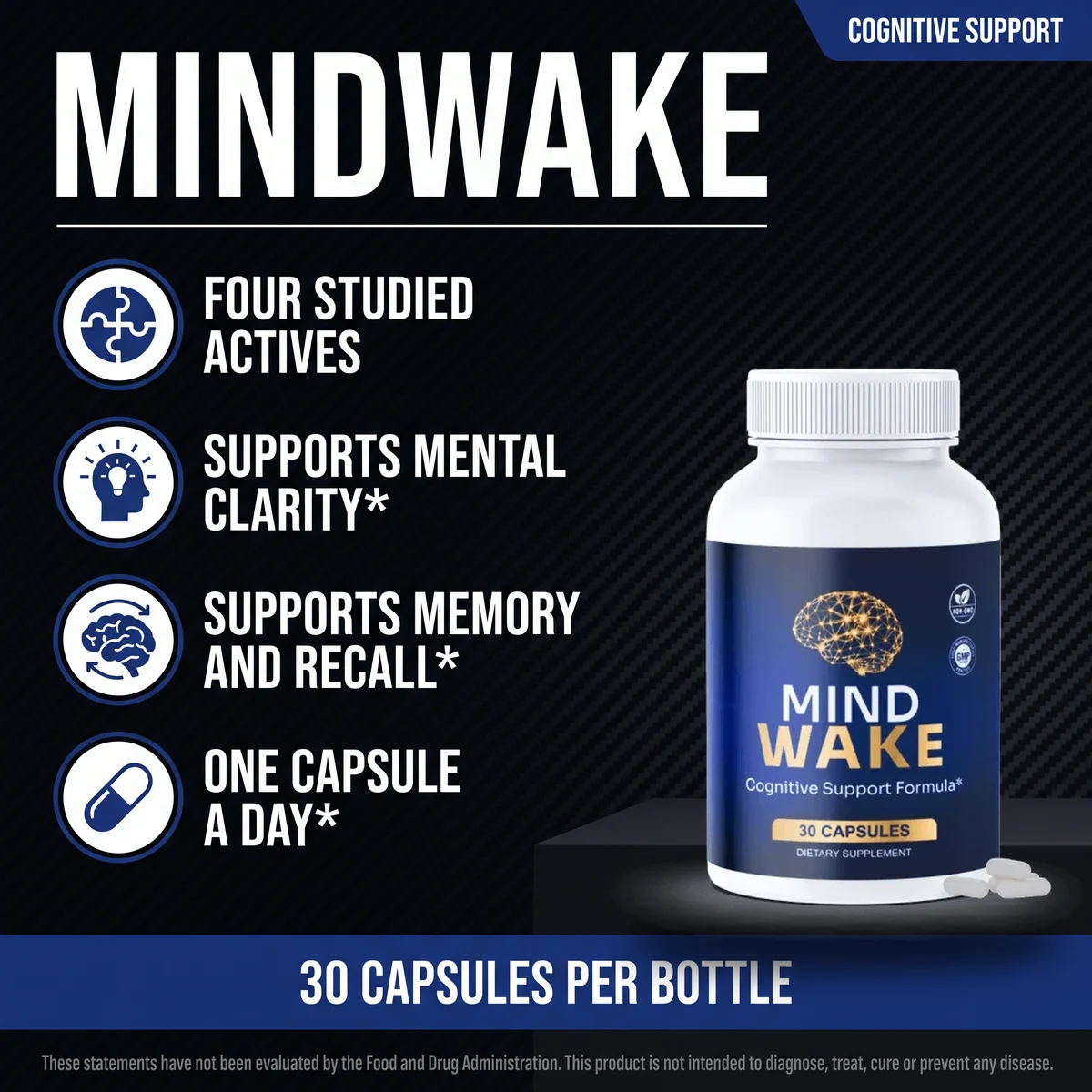
MindWake™ combines six studied nootropic actives — including Bacopa Monnieri and Ginkgo Biloba — in one stimulant-free daily capsule. It is designed to sit alongside a gut-friendly diet and good habits, supporting everyday focus and memory without jitters or a crash. Backed by a 60-day money-back guarantee.
See MindWake Packages
Food is the foundation, but a handful of routines support the gut-brain axis just as much:
Skipping meals and then over-eating tends to unsettle both blood sugar and digestion. Eating at reasonably regular times, and actually chewing rather than inhaling your food at your desk, gives your gut an easier job and your focus a steadier fuel supply.
Because stress travels straight to the gut, the calming habits that help your mind — slow breathing, time outdoors, movement, connection — also help your digestion. Our guide to how stress affects your memory and focus covers those in depth, and they are just as relevant here.
Sleep and the gut influence each other, and both influence how sharply you think the next day. Keeping consistent sleep and wake times supports the whole system — more in how sleep affects your memory and focus.
Regular activity supports a healthy, diverse gut as well as a clearer head. It does not have to be intense — a daily walk counts, as our guide to how exercise affects your focus and memory explains.
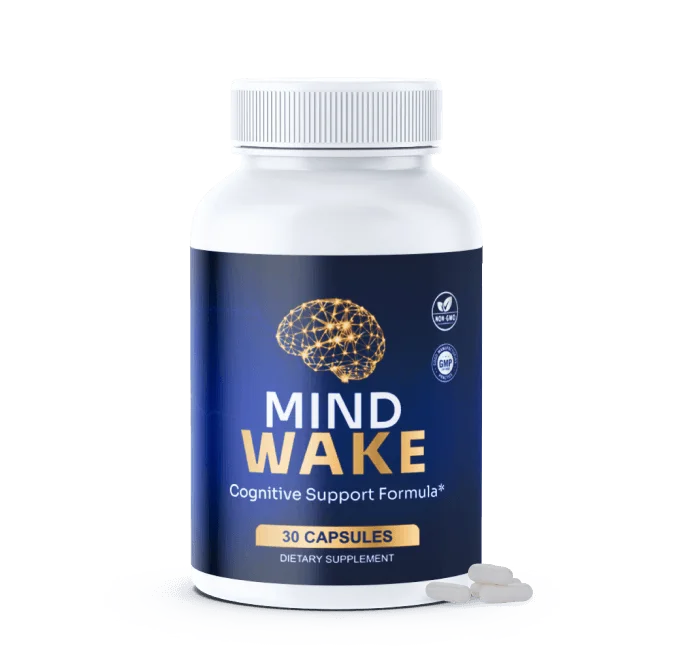
A nootropic is not a digestive product, and it will not fix a diet that needs attention. What a stimulant-free formula can do is sit alongside a gut-friendly way of eating and supply studied actives the brain draws on — without the wired, jittery edge that comes from leaning on caffeine and sugary snacks for a lift. Formulas like MindWake bring together Ginkgo Biloba, Phosphatidylserine, Acetyl-L-Carnitine, Bacopa Monnieri, L-Glutamine and Alpha-GPC in one once-daily capsule. It is everyday cognitive support that complements a healthy gut — not a treatment for any digestive or neurological condition.
Everyday digestive niggles usually respond well to better food, hydration and less stress. But persistent gut symptoms, unexplained changes in digestion, or brain fog that worries you all deserve a conversation with a healthcare professional. Diet and supplements support a healthy gut and mind; they are not a substitute for medical care when something needs looking into.
Layer a few studied nootropic actives over a gut-friendly, whole-food routine. Try MindWake risk-free with a 60-day money-back guarantee.
Order MindWake Today
The gut and brain are in constant two-way communication through nerves, hormones and the community of microbes living in your digestive tract. This is often called the gut-brain axis. When the gut is settled and well fed with fibre-rich, varied foods, many people report steadier mood and clearer thinking. When it is inflamed, irritated or poorly fed, it can contribute to the foggy, low-energy feeling that makes focus harder.
Gut discomfort rarely acts alone, but an unsettled digestive system is commonly reported alongside brain fog. Poor diet, disrupted sleep and stress all affect the gut and the brain at the same time, so they tend to rise and fall together. Improving the diet and easing stress often helps both the gut and the fog.
A varied, mostly whole-food diet does the most: plenty of fibre from vegetables, fruit, beans and whole grains, some fermented foods such as yoghurt or kefir, healthy fats including oily fish and olive oil, and limited ultra-processed food and added sugar. Staying hydrated and eating regularly rather than skipping meals also helps.
Not necessarily. For most people, a varied diet rich in fibre and fermented foods does the everyday work. Probiotic supplements may suit some situations, but they are best discussed with a healthcare professional rather than assumed to be essential. Food first is a sensible rule of thumb.
A stimulant-free nootropic is everyday cognitive support, not a digestive product. It supplies studied actives the brain draws on and works best alongside a gut-friendly diet, good sleep and stress management. It is not a treatment for any digestive or neurological condition.
† These statements have not been evaluated by the Food and Drug Administration. This product is not intended to diagnose, treat, cure or prevent any disease. This article is for general information only and is not medical advice. If you are pregnant, nursing, under 18 or taking medication, consult your physician before using any supplement.
 MindWake